Increasing User Engagement
User engagement is the key to success for any online platform or service. Whether it’s a social media site, an e-commerce store, or a mobile app, user engagement is what drives traffic, generates revenue, and encourages growth. But in today’s fast-paced, attention-driven digital landscape, it can be a challenge to keep users engaged and coming back for more. In this article, we’ll explore some of the best strategies and tactics for increasing user engagement and keeping your audience invested in your platform or service. So let’s get started!
“Engagement is not just about likes, it’s about creating a connection that drives action.” — Jay Baer
Engagement metrics are a way to measure how users interact with a design and are crucial for evaluating the success of a design project.
Some of the ways to measure engagement metrics include:
Time on Site: This metric measures the average amount of time a user spends on a website or app. A longer time on site can indicate higher engagement, while a shorter time on site may indicate that users are not finding what they need or are losing interest.
Bounce Rate: The bounce rate is the percentage of users who leave a website after only visiting one page. A high bounce rate can indicate that the design could be more effectively engaging users and retaining their attention.

Pageviews: This metric measures the number of pages viewed by a user during a single session. A higher number of page views can indicate that users are engaged and interested in exploring the website or app.
Click-Through Rates: Click-through rates measure the number of clicks on a specific link or button. This metric can be used to evaluate the effectiveness of call-to-actions, menu navigation, or other design elements.

Scroll Depth: Scroll depth measures how far down a page a user has scrolled. This metric can be used to determine if users are engaging with content on a page and if they are interested in exploring more content.
Return Visits: This metric measures the number of users who return to a website or app after their initial visit. Return visits can be an indicator of user engagement, as users are more likely to return if they find the experience valuable.
Interactions: Interactions, such as likes, comments, shares, or downloads, can be used to measure user engagement with specific pieces of content or design elements.

By tracking these engagement metrics, designers can gain a better understanding of how users are interacting with their designs and can make data-driven decisions to improve the user experience.
Tools to measure user engagement
There are several tools available to track engagement metrics, some of the most popular ones include:
Google Analytics: Google Analytics is a free, web-based analytics service that provides a wealth of information on website traffic, including engagement metrics such as time on site, bounce rate, page views, and return visits.
Hotjar: Hotjar is a heatmap and user behavior analysis tool that provides insights into user engagement, including click-through rates, scroll depth, and form analytics.
Adobe Analytics: Adobe Analytics is a paid solution that provides a comprehensive set of analytics and reporting features, including engagement metrics such as time on site, bounce rate, page views, and click-through rates.
Mixpanel: Mixpanel is an event tracking and analytics platform that provides real-time insights into user engagement and behavior, including time on site, page views, and custom interactions.
Crazy Egg: Crazy Egg is a heatmap and click-tracking tool that provides insights into user engagement, including click-through rates, scroll depth, and mouse movement analysis.
Piwik (Matomo): Piwik is an open-source web analytics platform that provides in-depth insights into user engagement, including time on site, bounce rate, and pageviews.
These tools can provide valuable data and insights into user engagement, which can be used to make data-driven decisions and improve the user experience. It is important to choose a tool that fits the specific needs of the design project or initiative.
Ways of improving engagement metrics
Improving engagement metrics can help designers create better user experiences and increase the effectiveness of their designs. Here are some ways to improve engagement metrics:
Optimize the User Experience: A well-designed and intuitive user interface can help keep users engaged and reduce bounce rates. This includes making sure the design is visually appealing, easy to navigate, and provides a seamless user journey.
Provide Relevant Content: Providing high-quality, relevant content can keep users engaged and reduce bounce rates. This includes creating content that is useful, informative, and easy to read, and making sure it is placed prominently on the page.
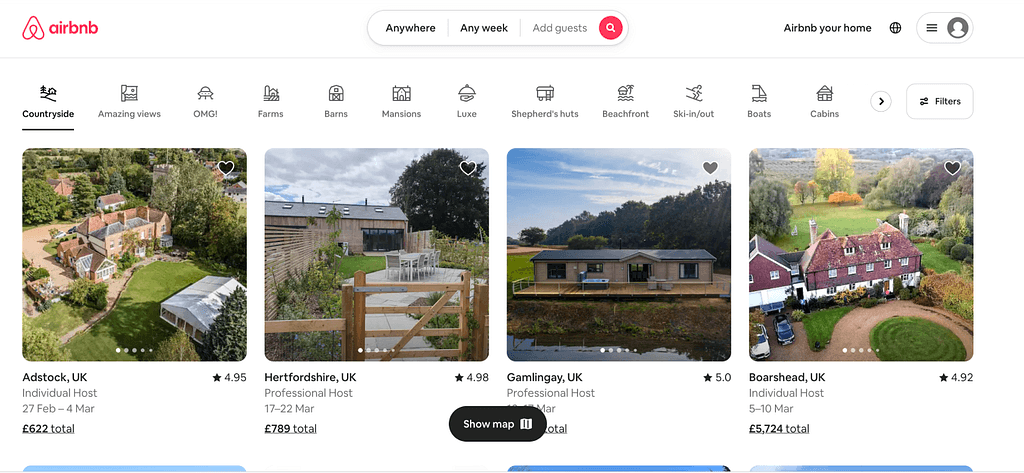
Use Engaging Visuals: Using engaging visuals, such as images, videos, or infographics, can help grab the user’s attention and increase engagement.
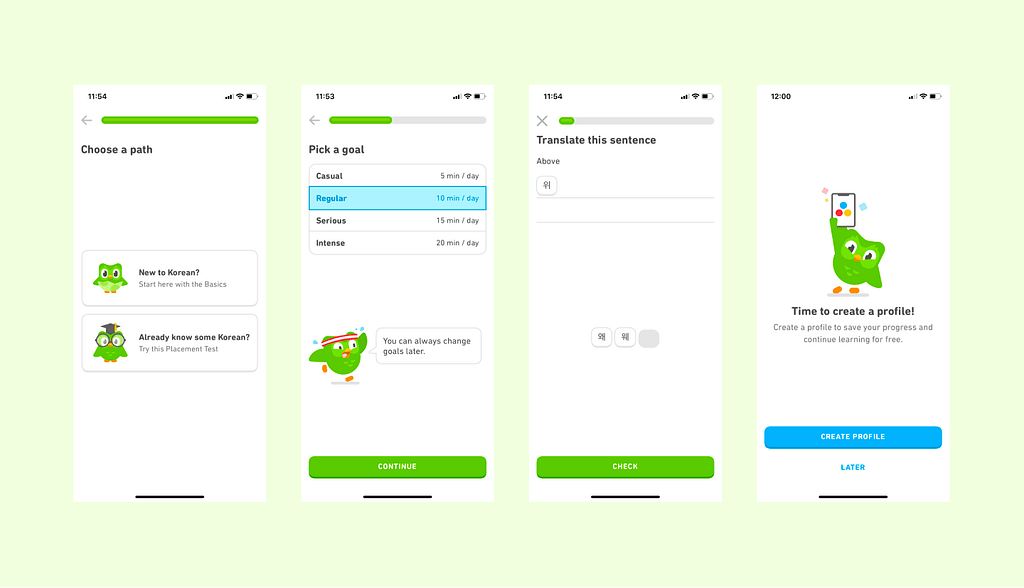
Offer Interactive Elements: Adding interactive elements, such as quizzes, polls, or games, can increase engagement by allowing users to actively participate and interact with the design.
Encourage User Participation: Encouraging user participation, such as through comments, likes, or shares, can increase engagement by making users feel involved and invested in the design.

Optimize Load Time: Optimizing page load times can help reduce bounce rates and improve engagement by making sure the site loads quickly and smoothly.
Personalize the User Experience: Personalizing the user experience, such as by using personalized recommendations or targeted content, can help increase engagement by making users feel like the design is tailored specifically for them.

By implementing these strategies, designers can improve engagement metrics and create better user experiences. It is important to continuously monitor and analyze engagement metrics and make data-driven decisions to ensure ongoing success.
In conclusion
In conclusion, user engagement is a crucial aspect of website and app design that can greatly impact the overall user experience. By utilizing visually stunning visuals, personalized experiences, and opportunities for user participation, websites can increase engagement and keep users coming back. Whether through stunning design, personalized recommendations, or community-driven content, it’s important to create an engaging and dynamic user experience that keeps users interested and invested. By utilizing the various strategies outlined in this article, website owners and designers can create a platform that encourages user engagement and fosters a thriving community.
Don’t forget to leave a clap you can also reach out to me on Twitter or Linkedin
Increasing User Engagement was originally published in Bootcamp on Medium, where people are continuing the conversation by highlighting and responding to this story.
Originally published on Medium ↗