
Design is a complex and multifaceted field that can be difficult to measure in terms of success. However, there are several key metrics that can be used to evaluate the success of design projects and initiatives. In this article, we will explore some of the most important ways to measure success in design.
User Satisfaction One of the most important and challenging ways to measure the success of the design is user satisfaction. This can be measured through surveys, focus groups, or other research methods that directly ask users about their experiences with the design. User satisfaction metrics can help designers understand how their design is perceived by the intended audience and can highlight areas for improvement.

Interviews and focus groups provide in-depth conversations to explore users’ satisfaction in detail. The Net Promoter Score (NPS) is a metric that measures customer loyalty and satisfaction based on the likelihood of recommending the design.
User feedback and reviews on various platforms can offer insights into satisfaction levels and specific areas of praise or concern.
Usability testing allows for observing user interactions and collecting feedback to gauge overall satisfaction. Monitoring customer support interactions and complaints helps identify potential dissatisfaction or frustration.
Repeat usage and retention are indicators of satisfaction, as higher engagement and willingness to return correlate with higher satisfaction levels. Comparative analysis, such as comparing satisfaction metrics across different designs or against competitors, helps identify areas for improvement.
Remember, continuous gathering and analysis of user feedback is crucial to assess satisfaction levels, identify areas for improvement, and iterate on the design to meet user expectations.
Engagement Metrics Engagement metrics are a way to measure how users interact with the design. For example, metrics such as click-through rates, time spent on site, or the number of pages viewed can help designers understand how users are engaging with their designs.
This information can be used to make data-driven design decisions, such as optimizing the placement of call-to-action buttons or making changes to the overall user experience. Which provides quantitative evidence that supports your design decisions. When presenting design concepts or proposing changes, you can back up your ideas with data, making it easier to communicate the rationale behind your design choices. This strengthens your position and increases the likelihood of stakeholder buy-in.
As a designer, it is essential to recognize that you play a crucial role as a solution provider and in delivering a satisfactory return on investment (ROI) for stakeholders and businesses who invest in your designs. By leveraging engagement metrics to substantiate your design decisions, you can cultivate trust among stakeholders.
Using engagement metrics allows you to objectively demonstrate how your design efforts align with user needs and contribute to achieving desired outcomes. By measuring metrics such as click-through rates, conversion rates, or time on page, you can provide tangible evidence of the effectiveness of your designs in engaging and satisfying users.
By utilizing engagement metrics, you are able to showcase the value of your design work in quantifiable terms. This data-driven approach helps stakeholders understand the impact and benefits of your designs, thereby building their confidence in your expertise. By showcasing the ROI potential and positive user engagement generated by your designs, you foster trust, enhance collaboration, and create a stronger foundation for future design initiatives.
Remember, engagement metrics serve as powerful tools for designers to not only meet user needs but also deliver measurable results that contribute to the success of stakeholders and businesses.
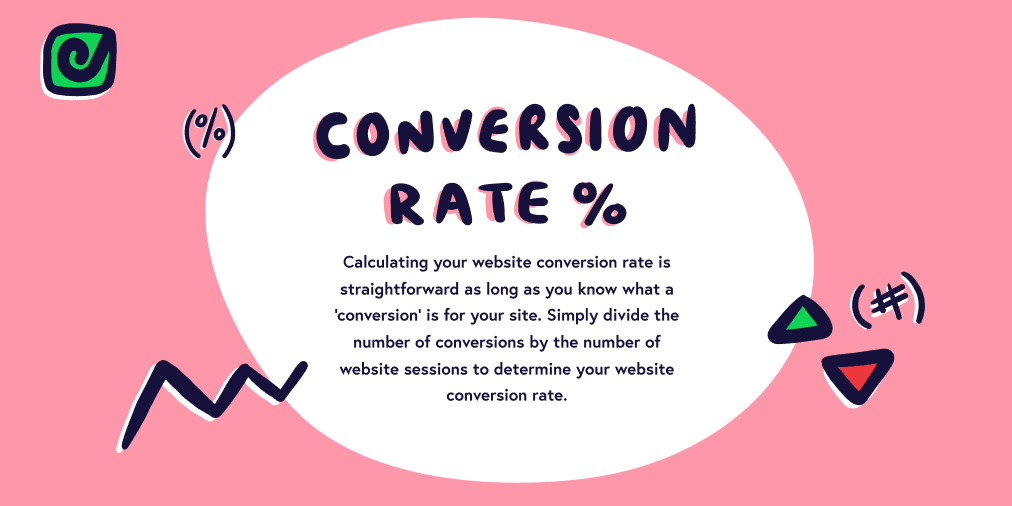
Conversion Rates Conversion rates are a critical metric for measuring the success of the design, particularly in e-commerce and other transactional contexts. Conversion rates track the percentage of users who take a specific action, such as making a purchase or filling out a form. Improving conversion rates can help designers understand how their design is impacting the bottom line and can help drive business results.
Brand Awareness Finally, design can play a critical role in building brand awareness and establishing a strong brand identity. Metrics such as brand recognition, recall, and brand association can help designers understand how their design is contributing to the overall success of the brand.
This can be assessed through surveys and interviews. Additionally, brand awareness encompasses the associations and perceptions users have with the brand. When evaluating design success, it is important to consider whether the design effectively communicates and aligns with the brand’s values, personality, and messaging.

Measuring brand awareness in the context of design also involves assessing the reach and exposure of the design. This can be done by tracking metrics like website traffic, social media impressions, or the number of downloads/views. Successful designs leave a lasting impression on users and encourage engagement, contributing to brand recall and equity.
Evaluating the impact of the design on brand perception and equity involves considering feedback, sentiment analysis, and brand perception surveys. By measuring brand awareness, designers can gauge the effectiveness of their designs in conveying and reinforcing the brand identity, ultimately contributing to the overall success of the brand.
In conclusion
Measuring success in design is a complex task that requires a multi-faceted approach. By focusing on user satisfaction, engagement metrics, conversion rates, accessibility, and brand awareness, designers can gain a deeper understanding of the impact of their work and can make data-driven decisions that drive business results.
Don’t forget to leave a clap you can also reach out to me on Twitter or Linkedin
How to Measure Progress in Design was originally published in Bootcamp on Medium, where people are continuing the conversation by highlighting and responding to this story.
Originally published on Medium ↗