Designing Accessible Products: The Importance of Inclusivity
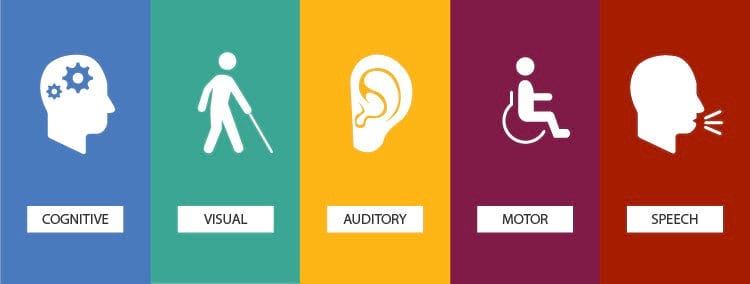
As technology advances, it’s becoming increasingly important for product designers to consider accessibility in their design process. Accessible design refers to the practice of designing products that can be used by as many people as possible, regardless of any disabilities or impairments they may have. This not only benefits people with disabilities, but also the elderly, children, and anyone who may temporarily need assistance using a product.
What is accessibility?
Accessibility refers to the design of products, devices, services, or environments for people with disabilities. The goal of accessibility is to provide equal access and equal opportunity to all individuals, including those with disabilities, to participate in the everyday activities that others take for granted. Accessibility considers the needs of a wide range of people with disabilities, including those who are blind, deaf, hard of hearing, have limited mobility, and more. It involves making products, technology, and spaces usable and accessible to as many people as possible.
Why is Accessibility important?
According to the World Health Organization (WHO), over 1 billion people, or 15% of the world’s population, live with some form of disability. This includes physical, sensory, or intellectual impairments that can limit their ability to participate in society.
In addition, the World Bank estimates that over 80% of people with disabilities live in low- or middle-income countries, where access to assistive technologies and infrastructure to support independent living can be limited.
Accessibility is important because it ensures that all individuals, including those with disabilities, can effectively use and interact with digital products such as websites, applications, and technology. Accessibility makes digital products more usable for everyone, not just those with disabilities and improves the overall user experience.
Moreover, accessibility is a legal requirement in many countries under laws such as the Americans with Disabilities Act (ADA) and the Web Content Accessibility Guidelines (WCAG), which set standards for digital accessibility. Failure to comply with these laws can result in costly lawsuits and damage to a company’s reputation.
In addition to the legal and practical benefits, accessibility is also a moral and ethical issue. By making digital products accessible to all, we create a more inclusive society where everyone has equal access to information and opportunities.
Accessibility to products has increased significantly over the past year, driven by a combination of increased awareness, technological advances, government regulations, and consumer demand. This is a positive trend, as it leads to the creation of products that are more usable and accessible to everyone, including people with disabilities.
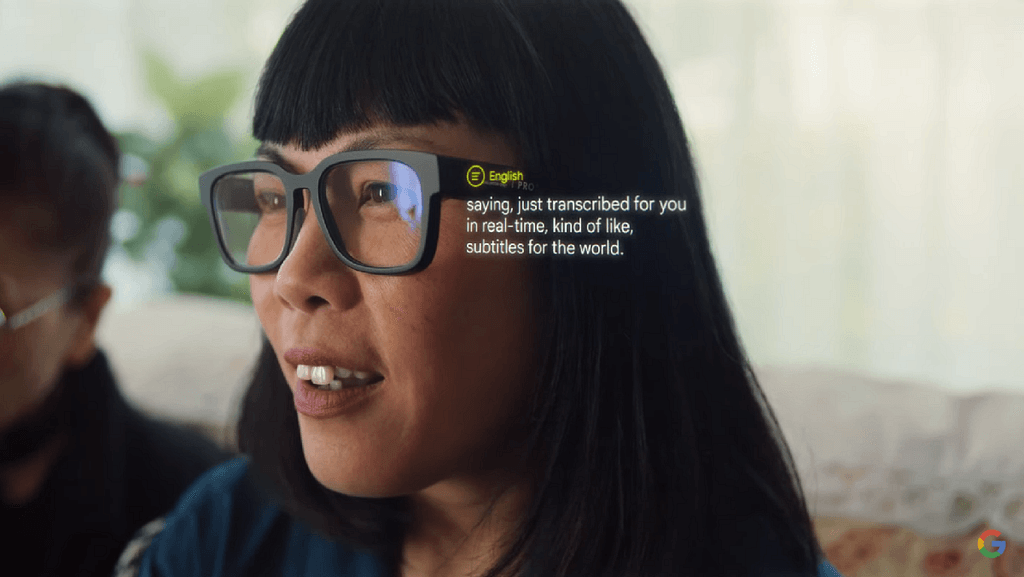
Products like Voice assistants, Smart home devices, Screen readers, and recently AR Technology, are just a few examples of products that are driving accessibility and making it easier for people with disabilities to use technology and interact with the world around them. The growth and innovation in this area are helping to create a more inclusive and accessible society for everyone.
Here are some key considerations when designing accessible products:
Perception and cognitive abilities: Some users may have difficulty seeing, hearing, or comprehending information. When designing products, designers should consider font size, color contrast, audio cues, and language. The use of clear and straightforward language, large font sizes, and high-contrast colors can make a product much more accessible for users with visual or cognitive impairments.

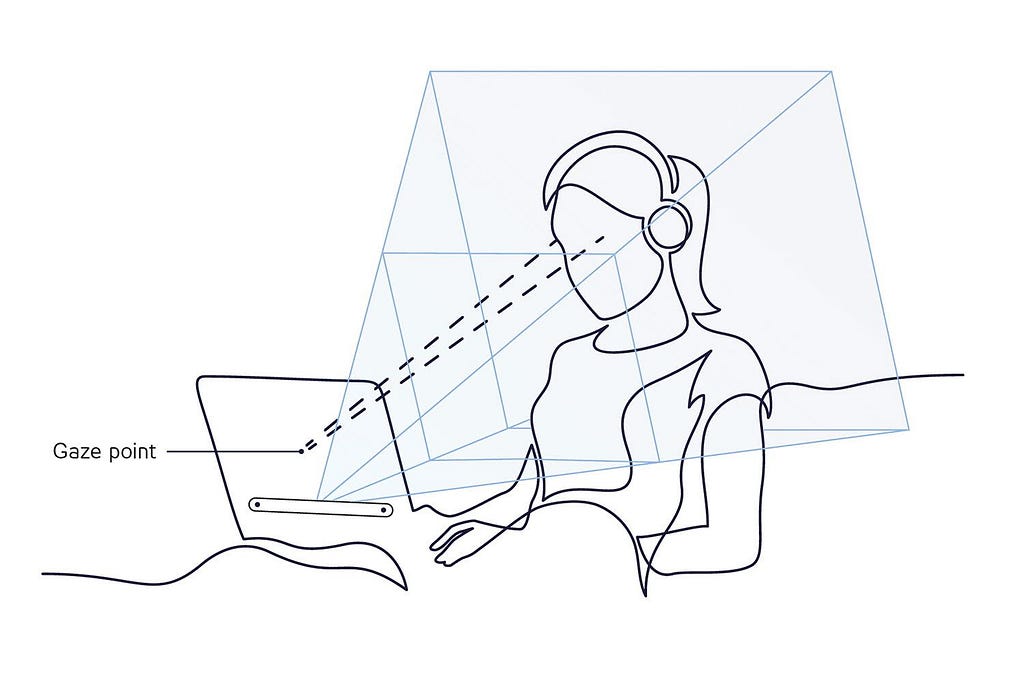
Physical abilities: People with physical disabilities may have difficulty using traditional input methods such as a mouse and keyboard. To address this, designers should consider alternative input methods such as voice commands, touchscreens, and eye-tracking technology.
Motor abilities: Some users may have difficulty with fine motor skills, making it difficult to use buttons or other small controls. Designers should consider larger controls, buttons, or alternative methods such as gesture recognition.
Flexibility: Accessibility should not be considered a one-size-fits-all solution. Instead, designers should aim to create flexible products that can be customized to meet the needs of each individual user. This includes the ability to adjust the font size, color contrast, audio volume, and other settings.
Testing: Designers should test their products with users who have disabilities to ensure that their designs are truly accessible, a great way to do this is by making use of the Web Content Accessibility Guidelines (WCAG). This feedback can provide valuable insights into how well the product works for different users and can help designers make improvements where needed.
In Steve Krug’s book “Don’t Make Me Think: A Common Sense Approach to Web Usability,” he discusses the importance of accessibility in web design. He emphasizes that making a website accessible to as many people as possible, including those with disabilities, is not only a legal requirement but also a crucial aspect of good user experience design.
Krug argues that accessible websites are easier to use for everyone, not just those with disabilities, and therefore lead to higher user satisfaction and better overall performance. He stresses the importance of considering accessibility from the beginning of the design process, rather than as an afterthought, to ensure that all users can effectively interact with the website.
In Conclusion
Designing accessible products not only benefit people with disabilities but also puts your brand ahead in ways, including:
Increased customer base: By designing your products, services, and digital assets with accessibility in mind, you can reach a wider audience, including people with disabilities. This can result in increased sales and customer loyalty.
Legal compliance: In many countries, accessibility is a legal requirement. By making your products and services accessible, you can avoid costly lawsuits and reputational damage.
Improved user experience: Designing for accessibility can often result in a better user experience for all users, not just those with disabilities. This can lead to increased customer satisfaction and engagement.
Improved accessibility: Making your products and services accessible can improve the overall accessibility of your workplace and public spaces. This can create a more inclusive and welcoming environment for everyone.
Cost savings: Designing for accessibility from the beginning can often be more cost-effective than retrofitting existing products and services. Additionally, making your digital assets accessible can reduce the need for additional support and training costs.
Overall, accessibility can provide a range of benefits that can help put you ahead in today’s competitive business landscape.
Don’t forget to leave a clap you can also reach out to me on Twitter or Linkedin
Designing Accessible Products: The Importance of Inclusivity was originally published in Bootcamp on Medium, where people are continuing the conversation by highlighting and responding to this story.
Originally published on Medium ↗